A charitable initiative · Australia · ABN 00 000 000 000 Get in touch →
00

To support vulnerable children, women, and families by providing access to resources, opportunities, and assistance that help strengthen communities and improve quality of life.

This is the sentence we have committed to. It is short on purpose. The work behind it — the way we interpret it, the way we measure it, the way we hold ourselves to it — is on the rest of this page.

Our mission is to operate in the space where the paperwork runs out and the waiting lists begin — the space that is most consistently underfunded.
3 Pillars of work
that interlock
4 Principles that guide
how we work, every day
$1.6m In direct support
last financial year — via partner organisations
01

The gap between what the system provides and what people actually need is wide, and it is widening.

Australia is, by most measures, a prosperous country. It is also a country in which tens of thousands of children live in households that cannot reliably feed them, in which women fleeing violence have nowhere to turn after hours, and in which families under acute financial pressure must navigate a system of more than twenty separate income supports, each with its own eligibility criteria and waiting period.

We did not invent this problem. We do not believe that charitable organisations can solve it on their own. What we do believe is that the space between the system and the household — the space where the paperwork runs out and the waiting lists begin — is the space in which the most lasting work is done, and is the space that is most consistently underfunded.

Our mission is to operate in that space. To do it well. To do it for as long as the people we work with need us to.

02

Our mission translates into three pillars of work — each interconnected, each indispensable, each approached with the same patience.

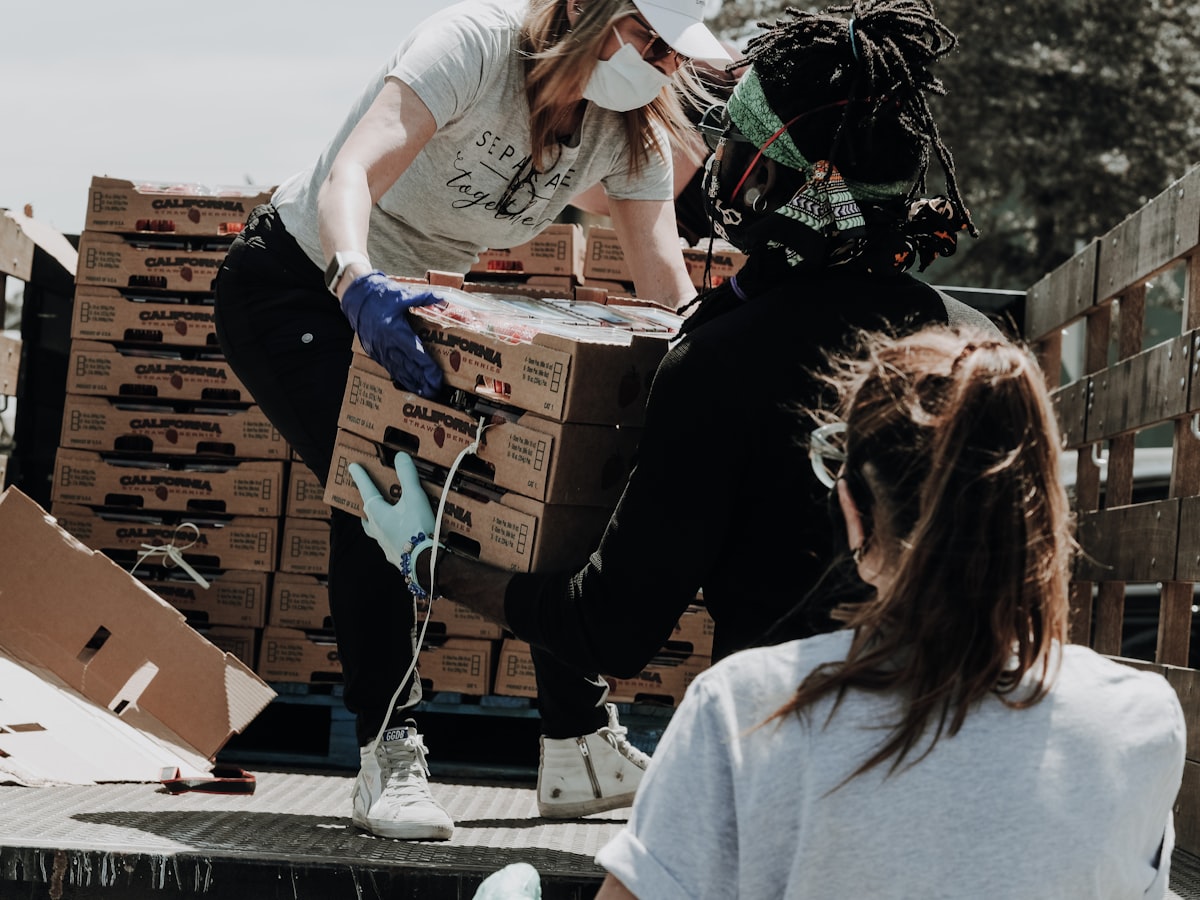
Volunteers packing supplies for distribution
i. — Resources

Direct material support, where it is needed most.

The first pillar is the most visible, and sometimes the most easily mistaken for the whole of our work. It is the work of ensuring that the basic inputs of a stable life are within reach: food on the table, a roof that does not leak, school books at the start of term, a winter coat when the season turns.

We deliver this work almost entirely through partner organisations — community centres, schools, primary health networks, and specialist service providers who already have the trust of the people they serve. Our role is to ensure they have the resources to do what they already do well, at the moment when those resources would otherwise run out.

Last financial year, $1.6 million in direct material support flowed through this pillar — grocery vouchers, school supply packs, household goods for women leaving crisis accommodation, and emergency heating assistance through the winter months.
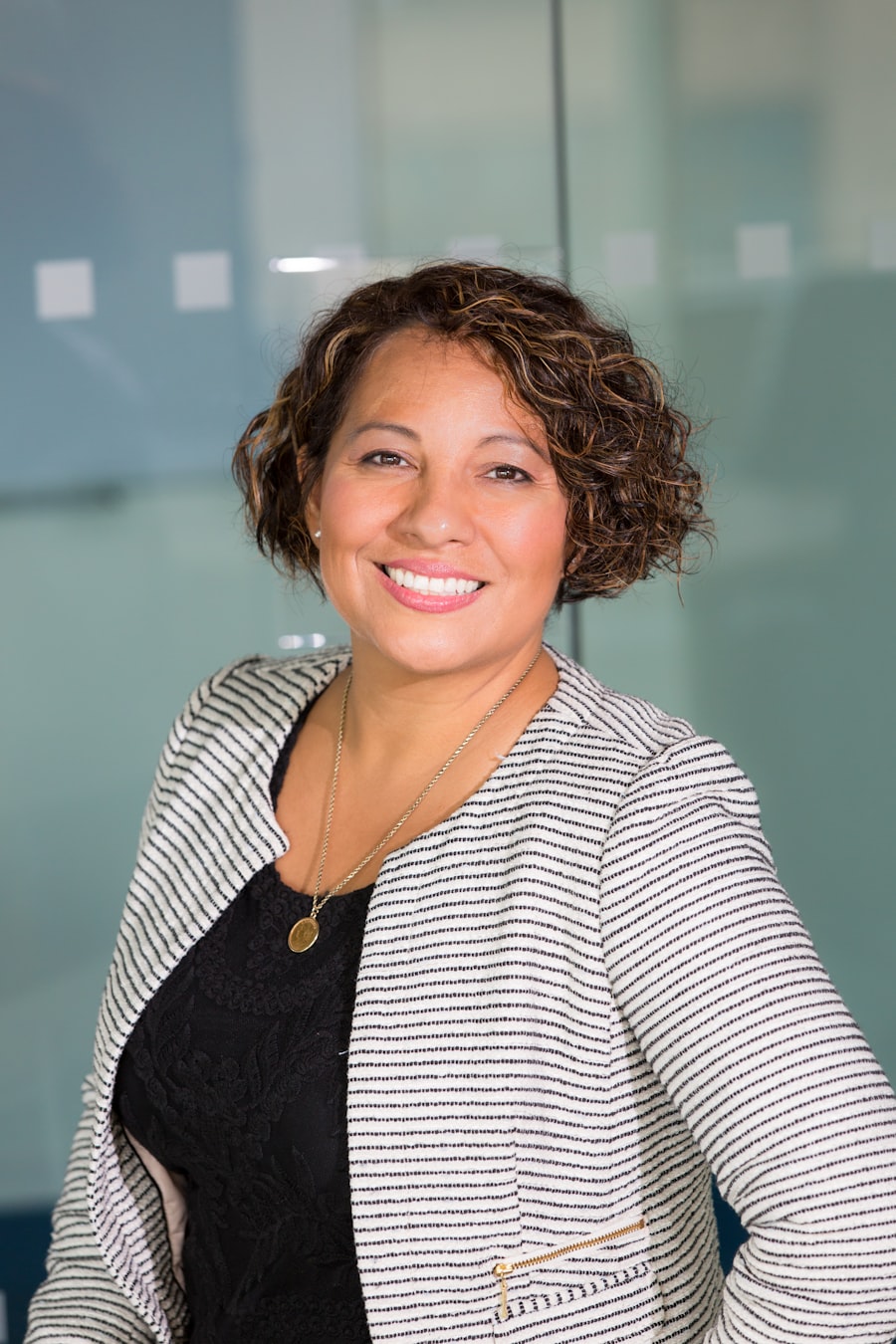
A woman in a vocational training session
ii. — Opportunities

Pathways to long-term independence.

The second pillar is about the things that make material support unnecessary in the long run — not because the support stops being needed, but because the circumstances that created the need have begun to shift.

For children, this looks like sustained out-of-school learning support, mentoring relationships that last more than a term, and structured pathways from primary school through to tertiary education and employment. For women, it looks like financial counselling that leads to a plan, training that leads to a credential, and small-business support that leads to income that does not depend on a single employer.

For families, it looks like casework that does not stop when a Centrelink application is approved — that continues into the quieter, harder work of building the kind of household stability that is invisible from the outside but unmistakable from the inside.

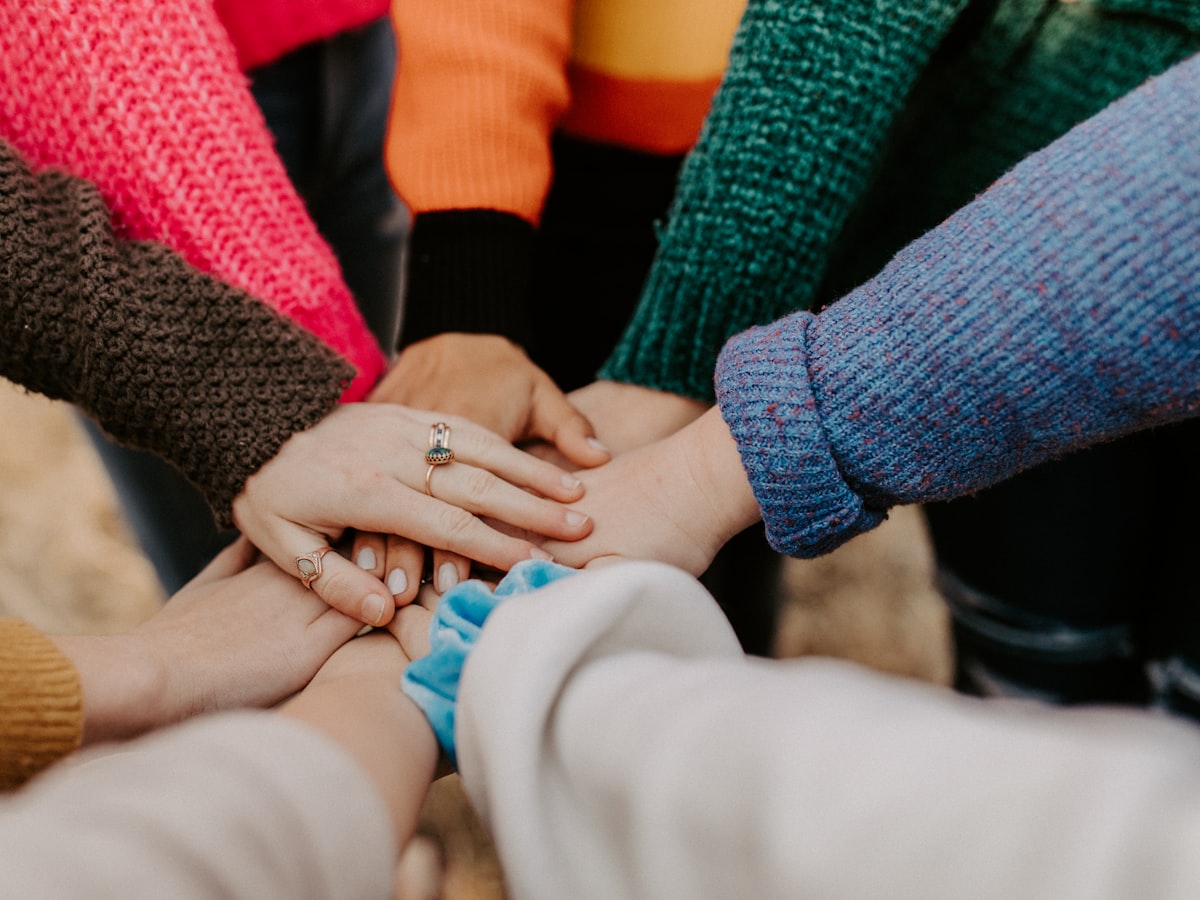
Hands together in solidarity
iii. — Assistance

Steady, reliable presence.

The third pillar is the hardest to describe and the most important to do. It is the work of simply being present — of answering the phone when it rings, of knowing the names of the children, of not disappearing the moment a funding cycle ends.

The systems that vulnerable families navigate are staffed, overwhelmingly, by people who mean well and are working under conditions that make good intentions difficult to act on. The result is that people in crisis often experience the helping professions as a series of brief, intense encounters followed by long silences.

Our commitment under this pillar is small and specific: that the people we work with will always know who to call, that we will always pick up, and that we will not stop returning calls when the difficult season is over. Steady, reliable presence. It is less dramatic than the other two pillars. It is the one that everything else depends on.

03

Four principles that guide the way we work, every day, regardless of which pillar the work sits under.

a.

Listen first

We do not enter a community with a pre-written plan. We spend the first six to twelve months of any new partnership in listening — to the people we would serve, to the partner organisations already doing the work, to the local context.

b.

Stay long

We commit to multi-year partnerships wherever possible. The most damaging pattern in community work is short-term funding creating short-term programs; we do our best to be the exception to that pattern.

c.

Report honestly

Our annual reports include what did not work. We publish them in full, and we welcome scrutiny. Transparency is not a marketing exercise; it is the only basis on which trust can be sustained.

d.

Stay small enough to listen

We have no ambition to become a large organisation. We will grow when growing improves the work, and not before. Our measure of success is the quality of the relationships we hold, not the size of the organisation that holds them.

04

Children without stable support

Children in out-of-home care, children experiencing food insecurity, children whose families are navigating systems not built for them. We work with the partner organisations who are already there.

Women navigating hardship alone

Women experiencing financial hardship, women leaving crisis accommodation, women rebuilding economic independence after a major life disruption. The autonomy we work toward is practical, not symbolic.

Families under compounding pressure

Families whose circumstances are the product of several pressures at once — health, housing, employment, caring responsibilities. We work to strengthen the unit, not to rescue the individual.

05

A mission on a page is the beginning of the conversation, not the end of it.

If you would like to know how our mission translates into the specific work we do, or if you are considering supporting the foundation in some way, we would welcome the conversation.